


Egy tekercselőgép képes több tekercsterméket is kezelni?
2026-11-10 11:451. Két modellnek ugyanaz a lábkiosztása, de a lábak hosszában különbözik. Mennyi átállítási munka ez?
Általában szerszámszintű változásról van szó: a pozicionáló lemez a helyén marad, a befogó alkatrész vagy a fészek megváltozik, és a termékprogram visszahívásra kerül. Az időtartam az adott konfigurációhoz van megadva, mivel az a cserélt alkatrészek számától és a szükséges első cikkszám-ellenőrzéstől függ – nem pedig a katalógusadatoktól.
2. Egy gép képes két terméket teljes teljesítményen tartani?
Nem. Az átállás időt vesz igénybe ugyanabból a kapacitáskészletből, így a tervezési kérdés az, hogy hetente hány átállásra van szükség, szorozva az egyes átállások időtartamával. Ha az együttes igény kitölti a gépet, egy második gép az olcsóbb megoldás – függetlenül attól, hogy mit mutat a vételár-összehasonlítás.
3. Ha az orsók szélessége eltérő, akkor szóba sem jöhet egy közös gép?
Nem feltétlenül. A szélesség gyakran az a változó, amelyen egy befogórendszer áthaladhat a pozicionálási referencia megváltoztatása nélkül. Az dönti el, hogy a tekercselési zóna és a csapok pozíciói ugyanabban az érvényesített tartományban maradnak-e, ha a szélesség megváltozik.
4. Mire van szüksége ahhoz, hogy válaszolhasson a termékeimre?
Rajzok vagy minták, tekercsméretek, tűelrendezés, vezeték specifikáció, menet- és feszültségkövetelmények, modellenkénti várható mennyiség, valamint a további lépések – forrasztás, tűbehelyezés, tesztelés. Ezekkel a szitanyomás inkább egy tervfelmérés, mint egy próbaüzem.5. Mindig egy rugalmas gép az olcsóbb választás?
Nem. A teljes költség magában foglalja a beruházást, a szerszámkészleteket, az átállási veszteségeket és a ténylegesen szükséges kapacitást. A rugalmasságért csak akkor érdemes fizetni, ha a termékválaszték elég gyakran változik ahhoz, hogy használjuk – ellenkező esetben ez olyan kapacitás, amelyért fizettünk, és soha nem használtuk fel.Xiamen Sipu Mechanical Co., Ltd – tekercsfeltekercselő, forrasztó, tűbehelyező és szalagcsomagoló berendezések, valamint integrált tekercsgyártó sorok. Ez az útmutató egy értékelési módszert ír le; a tényleges képességet gépkonfigurációnként és termékpáronként igazolják a műszaki felülvizsgálat során.
Structure level. Guides, tension systems, clamping mechanisms or automation sequence altered — the machine itself changes between products.
Below that sits a fourth outcome: the requirement falls outside the machine's validated range, and a separate machine is the practical answer.
A machine is not as flexible as its best case. It is as flexible as its worst case.
This is why a compatibility assessment should be finished before the quotation, not after the purchase. The most demanding difference between two products sets the level for the whole project.
Run the screen in four steps
Four variables carry almost the decision: positioning and clamping, pin configuration, winding requirements, and loading with its downstream processes. Compare them in this order, and stop at the first step that fails — later steps cannot recover it.
01. Is the positioning reference shared?
Start with the clamping surfaces, the datum and the winding zone. A shared datum with interchangeable clamping parts is a tooling change; a different datum means the clamping mechanism itself has to be reworked; a different bobbin family usually means a different machine. No program change and no fixture swap will fix a datum mismatch.
02. Can tooling be exchanged without disturbing that reference?
If yes, the pair is viable at tooling level. Pin configuration is decided here: an identical layout needs nothing beyond a program change, the same pitch with different pin lengths is normally a plate or nest exchange, and a different pitch or row layout means a redesigned locating plate. The same logic applies to loading nests and grippers. What matters now is not "can it be done" but how many parts are exchanged, in what order, and how the swap is proven correct before the first good piece.
03. Do both products run inside one validated winding window?
Compare wire range, turns, tension and layering. Different guides or nozzles can still be a tooling change; a second tension system or a different guide geometry is structural, whatever the drawings suggest. And if the two products follow different production routes — different soldering, insertion or testing sequences — that is a separate-machine decision, not a tooling one.
04. Does changeover time × changeover frequency consume the capacity you are buying?
A compatible machine that loses most of a shift at every switch is not saving capacity, it is moving the loss somewhere less visible. If this step fails, a shared machine may still be the right purchase — but it has to be justified by investment and flexibility, not by throughput.
Two cautions apply throughout. The boundary between one level and the next is machine-specific — fixed by the adjustment travel, repeatability and validated range of a particular configuration, and confirmed at engineering review rather than assumed from a drawing. And the size of a difference does not predict its level: a small change in pin pitch can force a new locating plate, while a larger change in bobbin length can be absorbed by the same fixture.
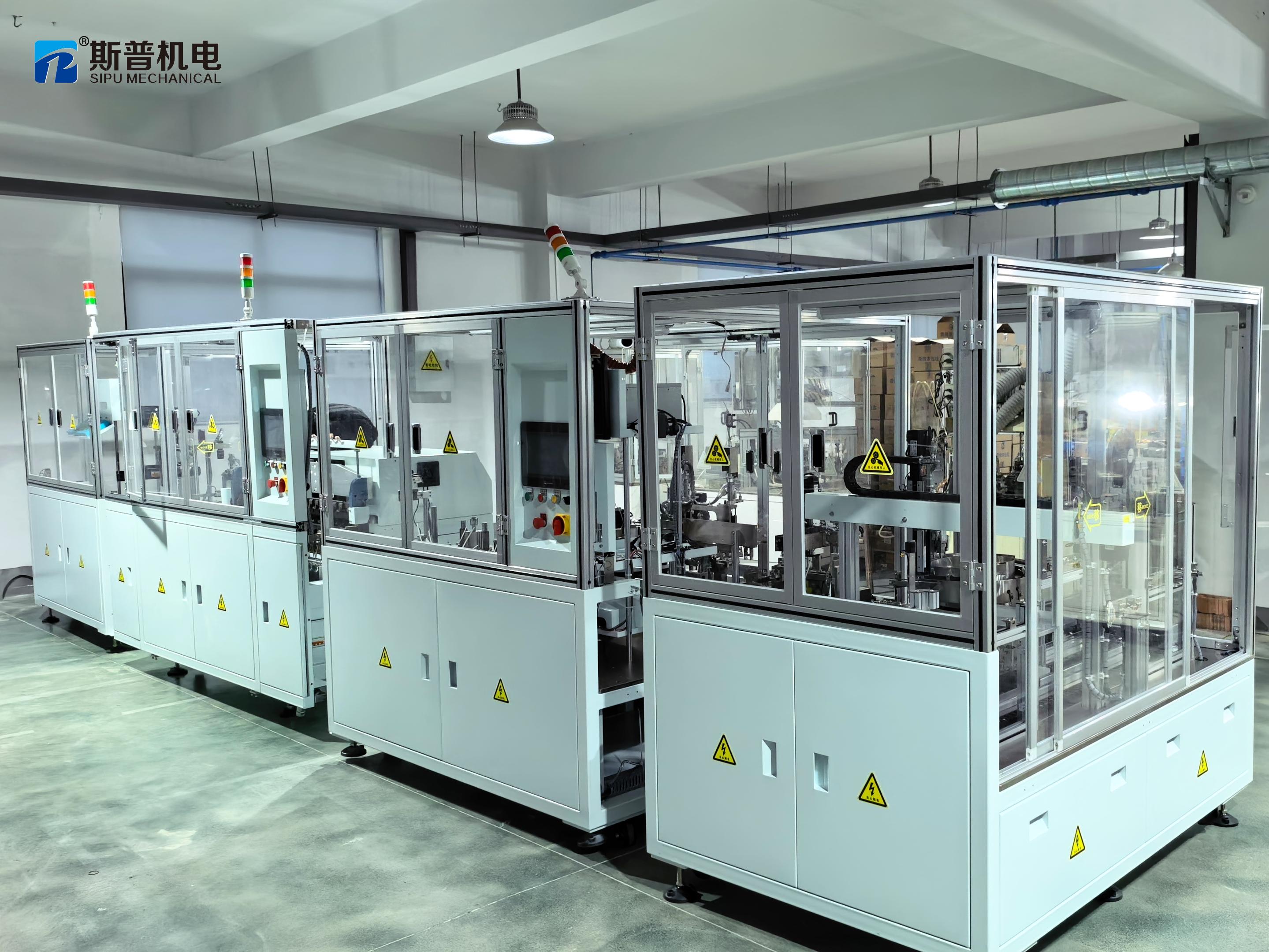
Table — Cost structure of a shared platform against two dedicated machines.
| Cost factor | One multi-product machine | Two dedicated machines |
| Initial investment | Lower when one platform is reused; higher when a second structure is built into the same frame | Higher — two complete systems |
| Floor space | One machine footprint, plus tooling storage | Two footprints |
| Tooling | Several interchangeable sets to hold and maintain | One set per product |
| Changeover | Fixture exchange, program recall, first-article confirmation | Not applicable in routine production |
| Scheduling | Both products draw on one capacity pool | Independent, per machine |
| Effective capacity | Reduced by changeover hours | Full, per machine |
The comparison that matters is therefore not purchase price but total cost of ownership over the production plan:
Equipment investment + tooling sets + changeover losses + operating cost, set against the capacity you actually need to buy.
One scenario is worth stating plainly, because it recurs. A manufacturer buys a single highly customized machine to avoid a second purchase. Every changeover takes most of a shift and must be followed by trial pieces and first-article approval. The machine spends its week being reconfigured rather than producing, and utilization ends up below that of two simpler machines — while the flexibility that justified the purchase is never used. The equipment is capable. The plan around it is not.
What SIPU confirms before a shared machine is quoted
Our position here is deliberately narrow: we do not publish a universal tolerance for how different two coils may be. Such a number does not exist, and if it did it would become a contract term nobody could honour. What can be stated precisely is the evaluation — and that is what we put in writing.
Before a multi-product project is quoted, four things are confirmed for the specific product pair:
1. Reference comparison
Which datum each product is located from, and whether the two coincide. This determines whether the project sits at tooling level or above it.
2. Fixture concept and changeover sequence
How many parts are exchanged, in what order, which of them can be adjusted rather than replaced, and how the swap is verified before production resumes.
3. Validated winding parameters
Wire range, tension settings and layering pattern for each product, confirmed against the machine's validated operating range rather than its nominal one.
4. First-article plan
What is measured on the first pieces of each product after a changeover, and what result releases the batch.
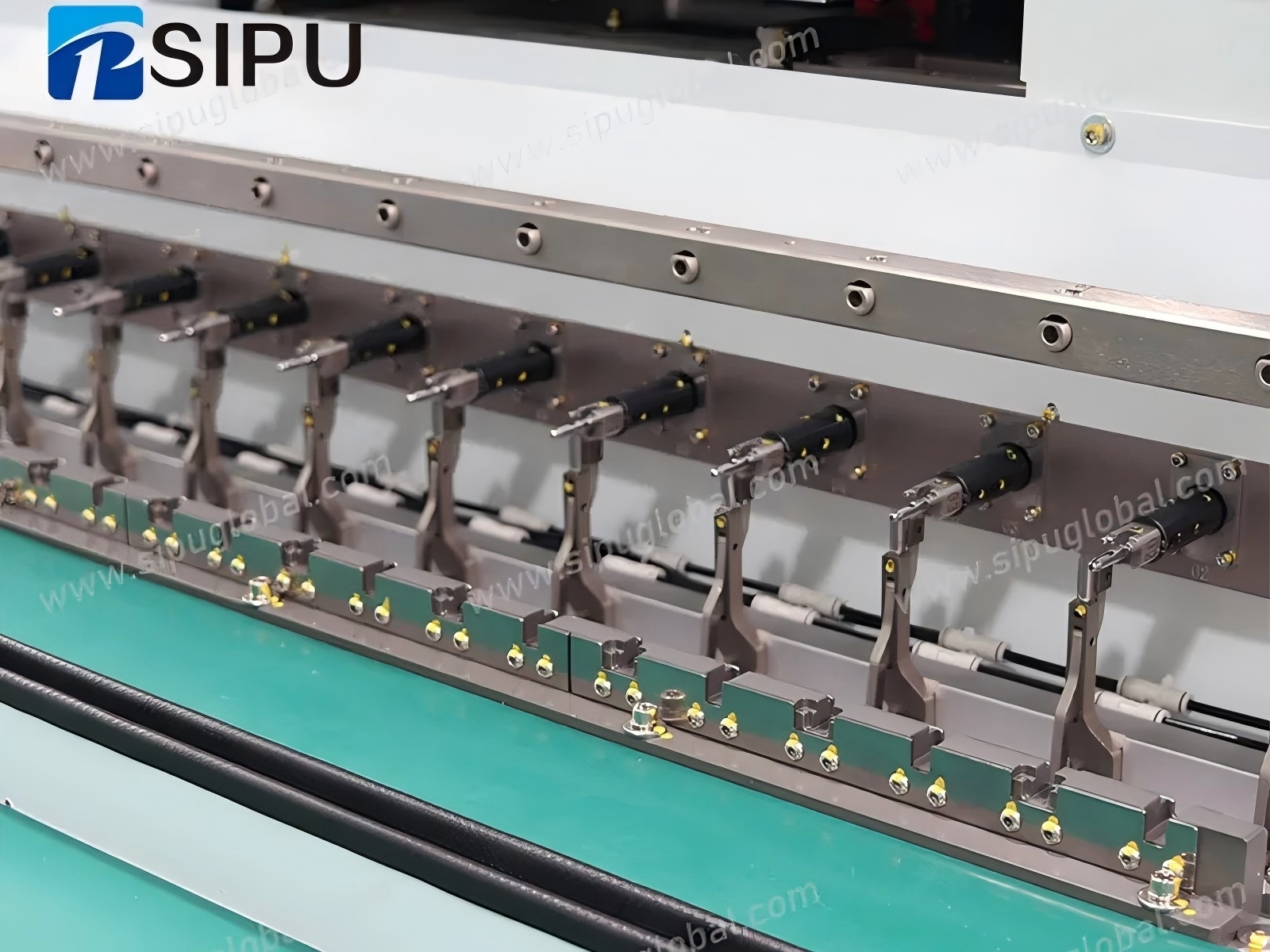
These evaluations draw on multi-spindle winding from 6 to 32 spindles, enameled wire from 0.02 mm, servo tension control at ±0.5 g, contoured wire guides with an arc radius of R ≥ 5 mm, and PID-controlled solder pots held within ±2 °C — configured as standalone machines or linked lines for winding, soldering, pin insertion, tape wrapping and testing. The automotive relay coil programme is a typical configuration of this kind.
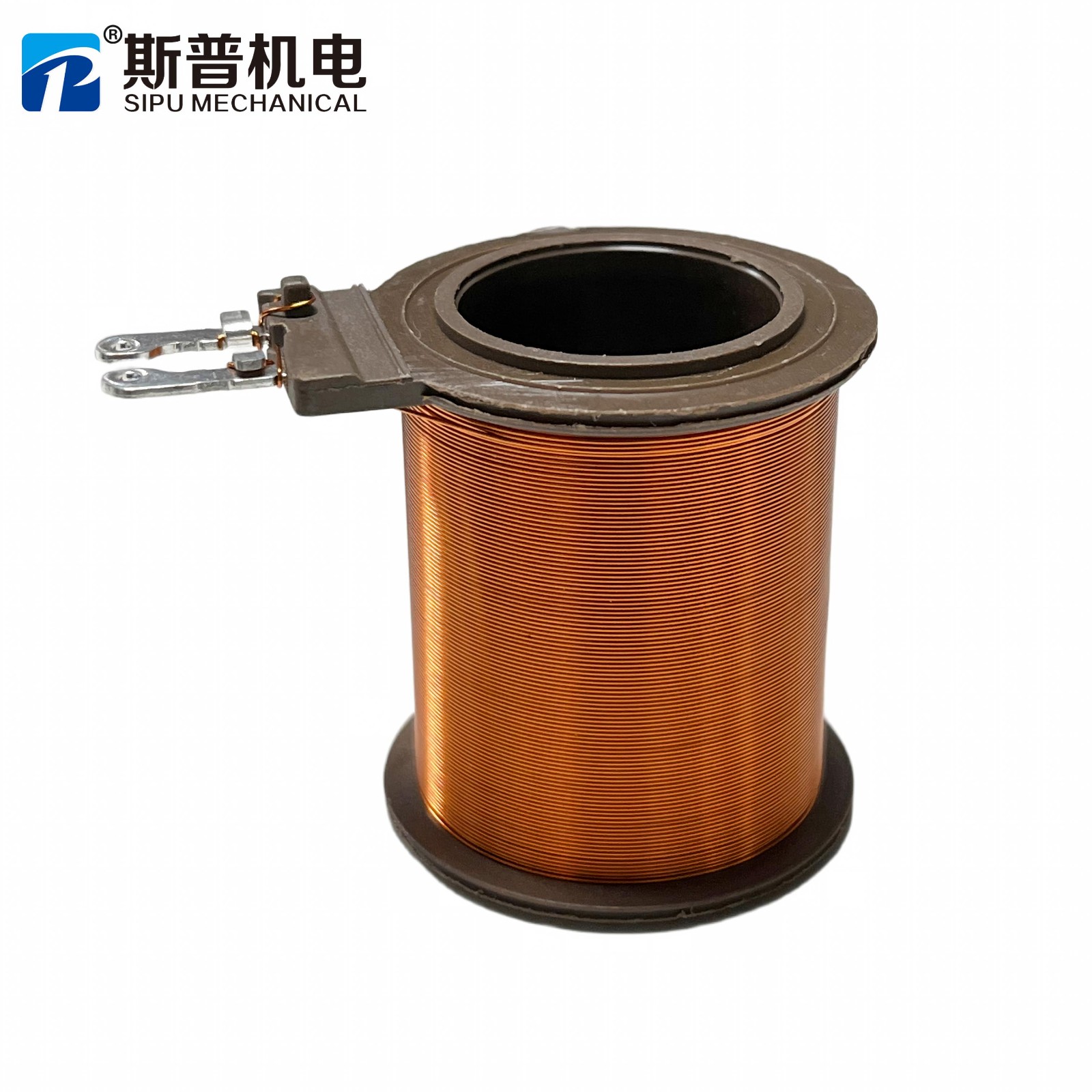
Coil Model A
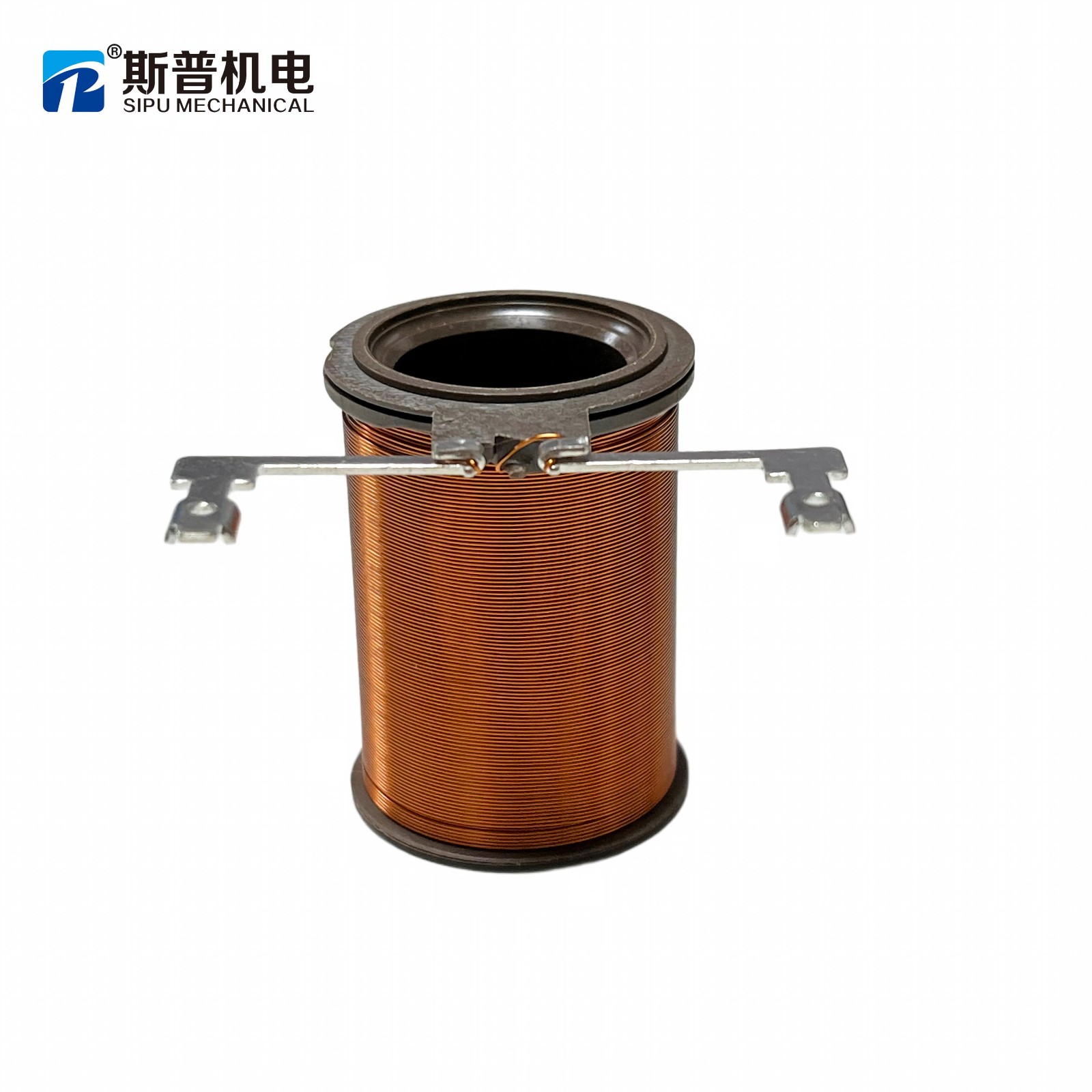
Coil Model B
Two coil models, one SIPU winding machine — changeover by fixture swap and program recall.
Where the answer usually lands
In practice, most two-product requests resolve into one of three outcomes: share with program and tooling changes; share only after one structural modification whose cost and stability are separately assessed; or buy two machines and stop paying for flexibility that the schedule will never use.
The mistake that costs the most is not choosing the wrong outcome. It is choosing the first outcome without having established which one applies.
The short version
A single winding machine can run several coil products. What it cannot do is absorb unlimited difference. Buying well means establishing, pair by pair, which differences sit at program level, which at tooling level, and which force a different machine — then comparing total cost rather than purchase price.
Send two sets of drawings, or two samples. We will return a written compatibility evaluation — share, share with tooling, or separate machines — together with the changeover sequence for each case.
Questions we are asked before a quotation
1. Two models share a pin layout but differ in pin length. How much changeover work is that?
Usually a tooling-level change: the locating plate stays, the clamping part or nest changes, and the product program is recalled. How long it takes is quoted for your configuration, because it depends on how many parts are exchanged and on the first-article check you require — not on a catalogue figure.
2. Can one machine keep two products at full output?
No. Changeover consumes time from the same capacity pool, so the planning question is how many changeovers per week, multiplied by how long each one takes. If the combined demand fills the machine, a second machine is the cheaper option — regardless of what the purchase price comparison says.
3. If the bobbins differ in width, is a shared machine out of the question?
Not necessarily. Width is often the variable a clamping system can travel across without changing the positioning reference. What decides it is whether the winding zone and the pin positions stay inside the same validated range once width changes.
4. What do you need in order to answer for my products?
Drawings or samples, bobbin dimensions, pin layout, wire specification, turns and tension requirements, expected volume per model, and the downstream steps — soldering, pin insertion, testing. With those, the screen is a design review rather than a trial run.
5. Is a flexible machine always the cheaper choice?
No. Total cost includes investment, tooling sets, changeover losses and the capacity you actually need. Flexibility is worth paying for only where the product mix changes often enough to use it — otherwise it is capacity you paid for and never ran.
Xiamen Sipu Mechanical Co., Ltd — coil winding, soldering, pin insertion and tape wrapping equipment, and integrated coil production lines. This guide describes an evaluation method; actual capability is confirmed per machine configuration and product pair at engineering review.